
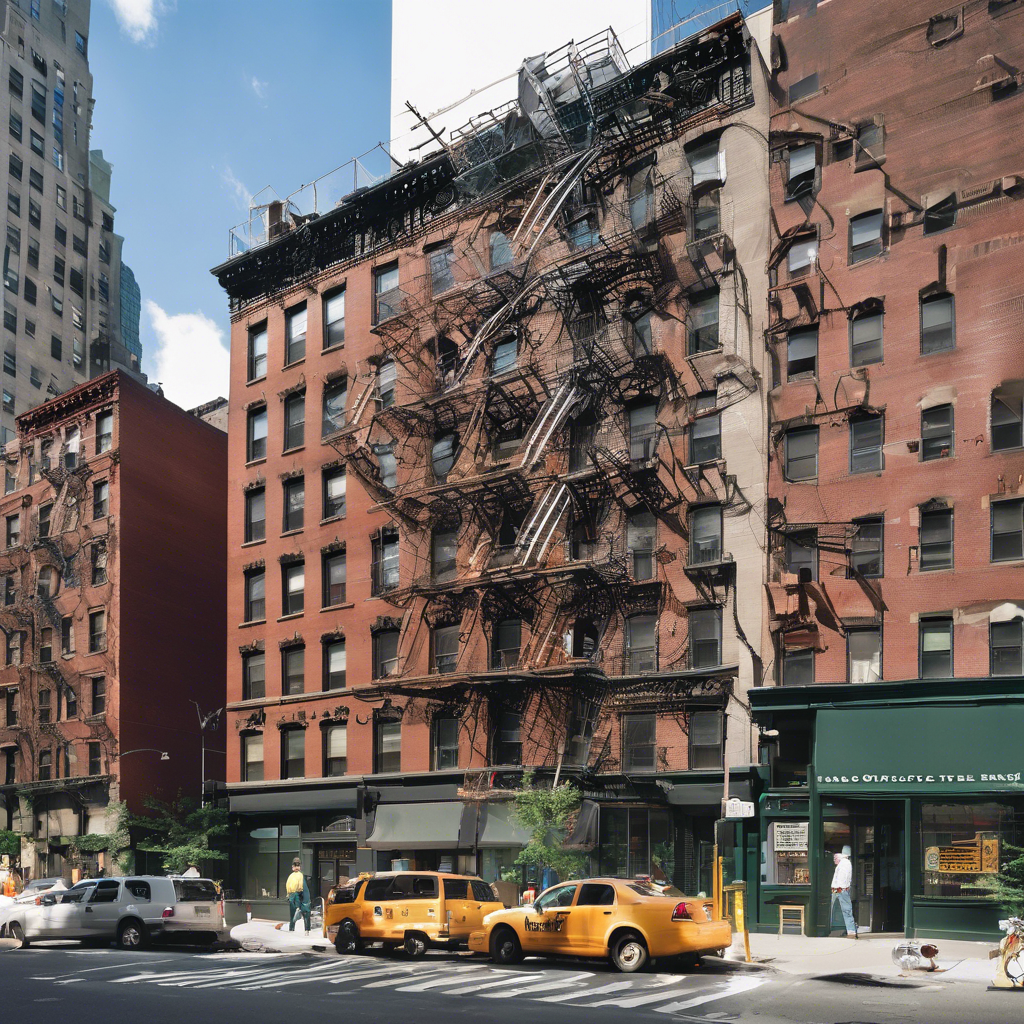
Healthy Buildings in NYC: The New Trend Facing Special Servicing
In a city that never sleeps, the quest for healthier living environments is reaching a fever pitch. New York City’s skyline, teeming with glass and steel, is not just a testament to architectural brilliance but also a reflection of a growing movement towards sustainability and health-conscious building practices. Yet, as more buildings are constructed with health benefits in mind, an increasing number are finding themselves in a puzzling situation: special servicing. 🏙️✨
Once considered a domain solely for struggling properties, special servicing is now encroaching upon buildings deemed “healthy” under the new green standards. This trend raises critical questions about the future of urban development, environmental policy, and the very concept of what it means to be a healthy building in a bustling metropolis. 🌱
The Landscape of Healthy Buildings
Healthy buildings integrate factors such as air quality, natural light, accessibility to green spaces, and materials that contribute to wellness. A report from the Urban Land Institute indicates that the demand for these spaces is surging, with nearly 70% of tenants expressing a preference for buildings with green certifications like LEED (Leadership in Energy and Environmental Design) or Fitwel. 📊
“The buildings of tomorrow need to be resilient not just in structure but in their ability to provide well-being for their occupants,” says Dr. Emily Chen, an expert in urban sustainability and design.
The Special Servicing Conundrum
Special servicing is traditionally a lifeline for distressed assets, but it is disrupting the narrative around healthy buildings. The phenomenon occurs when mortgage servicers take over the management of a property due to financial instability or regulatory issues. As financial institutions become increasingly cautious, even buildings with health-oriented features are finding themselves under scrutiny.
According to data from Trepp, a commercial mortgage data firm, the share of loans on properties in special servicing in the healthcare sector has jumped by nearly 20% over the last year. This trend raises eyebrows, especially when juxtaposed with the increasing awareness and demand for healthier living environments. Buildings that are equipped with state-of-the-art air filtration systems and access to natural spaces should not be struggling financially—yet they are.
What’s Driving the Shift?
The interplay of several economic factors is leading to this rising tide of healthy buildings land in special servicing:
- Longevity vs. Profitability: Many investors are investing in healthier spaces for their marketability rather than their long-term viability. The focus on quick profit margins often undermines ongoing maintenance and operational costs.
- Regulatory Frameworks: New regulations aimed at improving building standards are often accompanied by hefty compliance costs. Buildings that do not adapt quickly may find themselves facing financial strain. 💼
- Market Saturation: An overwhelming number of new properties equipped with health features means a saturated market. Occupancy rates can dwindled swiftly, leading to an increased likelihood of financing issues.
Community Health: The Broader Impact
So, what does this mean for community health? As sustainable building practices gain traction, they are crucial in combating urban health crises exacerbated by environmental factors like pollution and lack of access to greenspaces. However, if buildings designed to improve community wellness continue to struggle, the ripple effects could undo the progress made toward healthier urban environments. 🏥
“A healthy building isn’t just about its features; it’s about its social impact,” states Alicia Ramirez, an urban planner focused on equitable development.
Charting the Path Forward
To navigate this complex landscape, a multi-faceted approach is essential:
- Strategic Investment: Investors should ensure they are prioritizing long-term health benefits in their portfolios, recognizing that employing sustainable practices may come with upfront costs but is financially advantageous in the long run.
- Community Engagement: Building managers should work to engage with the community, ensuring that health initiatives are aligned with the needs and desires of local residents.
- Transparent Communication: As buildings transition into special servicing, clear communication about financial health and sustainability practices is crucial to maintaining tenant and investor confidence.
Conclusion: A Healthier Future Awaits
As NYC embarks on this new chapter of urban living, the growing incidence of healthy buildings finding themselves in special servicing is an alarm bell for stakeholders across the board. The interplay of financial acuity, community engagement, and sustainable practices will determine whether these pioneering properties can truly thrive or remain stuck in a cycle of distress. 🌍💚




I think the focus on healthy buildings in NYC is great, but what about affordable housing? Shouldnt that be a priority too?
I cant believe the complexity of maintaining healthy buildings in NYC! The special servicing conundrum is mind-boggling. Whats driving this chaotic shift?
I find it fascinating how the concept of healthy buildings in NYC is causing such a stir. Who knew bricks and mortar could be so controversial?
I think the emphasis on healthy buildings in NYC is great, but its interesting how special servicing is complicating things. What do you all think?
I think the focus on healthy buildings in NYC is great, but are we overlooking affordability? Lets discuss!
I wonder if healthy buildings in NYC will become the norm or just a passing trend. What do you think?
Isnt it crazy how NYCs healthy buildings are facing special servicing challenges? The shift is driving some real conundrums!
I cant believe the struggle with healthy buildings in NYC! Who knew it could be so complicated? Lets discuss this further.