
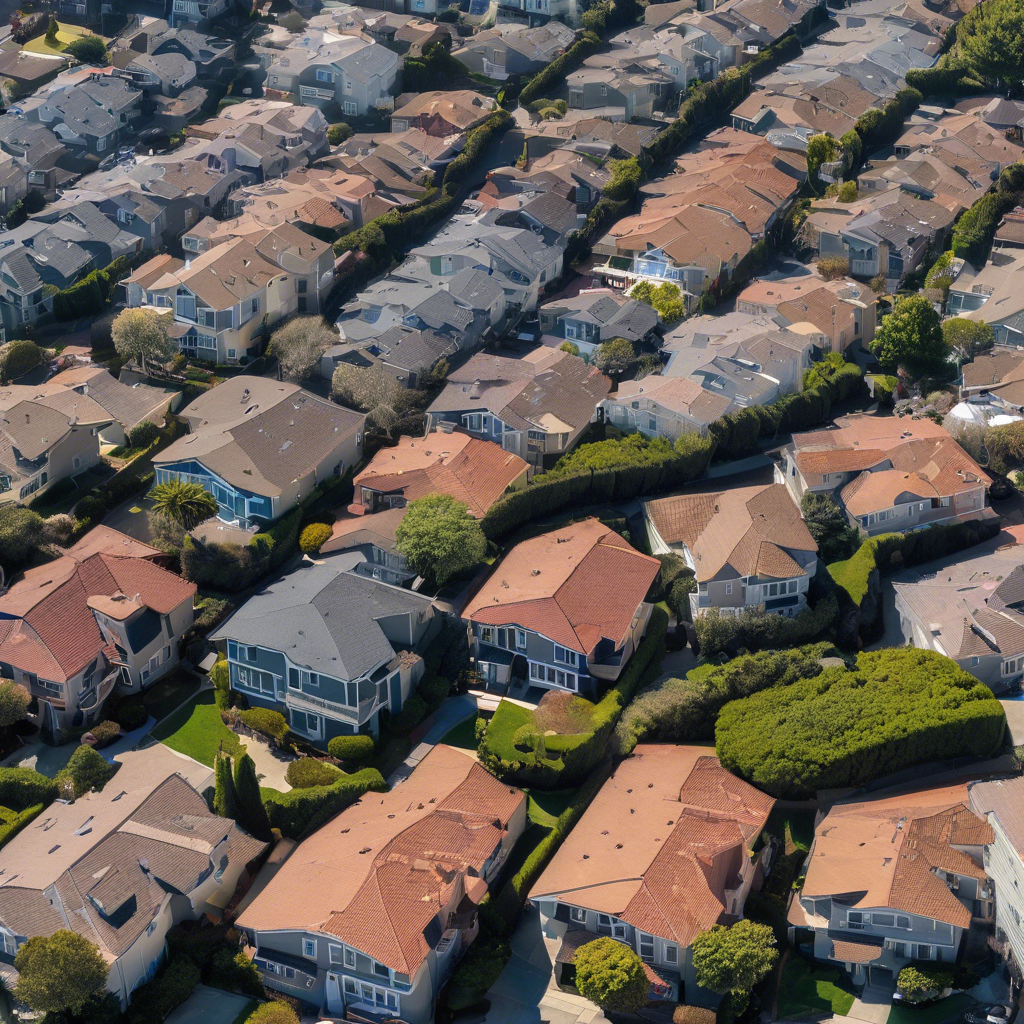
Trump Tariffs Cast “Cloud” Over Bay Area’s Commercial Market
As the ripples of protectionist policies continue to spread across the economic landscape, the Bay Area’s commercial market finds itself caught in a dense fog of uncertainty. The latest round of tariffs enacted during the Trump administration has raised an alarm among real estate investors, business owners, and policymakers, who are grappling with the consequences on the region’s trade dynamics and real estate values. 📉
For a region famous for its technological innovation and entrepreneurial spirit, the prospect of increased costs on imports could curb the robust growth that has long defined the Bay Area, compelling businesses to rethink their expansion strategies amid shifting tariff structures.
The Economic Landscape: Understanding Tariff Implications
In 2018, the Trump administration imposed tariffs on a variety of products, primarily targeting countries like China and Mexico. As a result, these tariffs—ranging from 10% to 25%—have affected various sectors, particularly construction and manufacturing, which rely heavily on imported goods and materials. Consequently, these escalating costs have led to increased prices that reverberate throughout the supply chain.
The California Association of Realtors noted that “tariffs could add thousands of dollars to the cost of building new homes and commercial spaces, further exacerbating the affordability crisis in the Bay Area.” 🔨
The commercial real estate sector, which witnessed exponential growth in the last decade, starts to feel the pressures as rising costs contribute to increased vacancy rates. Data from CBRE indicates that the overall vacancy rate in San Francisco has edged upwards from 6% to nearly 8% in recent quarters. With investors growing more cautious, cash flow and investment appeal are diminishing, creating a challenging environment for new ventures. 🌁
The Price of Doing Business: Squeezed Margins and Adjusted Budgets
For many companies, the bills associated with these tariffs have become a source of anxiety. Industry experts estimate that approximately 30% of Bay Area companies depend on imported goods. As tariffs drive up prices for essential supplies, businesses face the dilemma of absorbing the costs or passing them onto consumers. The dual pressures of maintaining profitability while retaining competitive pricing lead to painful compromises and potential layoffs.
Key Statistics:
- Over 150,000 jobs may be at risk in the Bay Area due to trade uncertainties, according to a recent study from the UC Berkeley Haas School of Business.
- Tariffs have been linked to a 20% increase in raw material costs over the past two years.
- Investment in commercial real estate fell by 12% year-over-year, indicating reduced developer confidence.
Decision Fatigue: A Strained Real Estate Market
Real estate professionals are at a crossroads as they navigate the complex interplay of tariffs and market dynamics. Developers who had ambitious projects on the drawing board now find themselves second-guessing their moves. “Significant uncertainty makes it challenging to move forward with major investments,” noted real estate consultant Sarah Torres. “The fear of falling profits could lead to a potential slowdown in development. 🚧”
Moreover, businesses that were gearing up to expand operations into either office or retail spaces are reevaluating their plans, unsure about future demand as consumer behavior adjusts to new cost realities. Rental prices, which had surged following a decade-long boom, are poised to stabilize or even decline, creating a buyer’s market that simultaneously offers opportunities and risks.
Future Projections: Navigating the Chaotic Waters Ahead
The ramifications of these tariffs may linger for years as businesses seek ways to adapt and survive. While trade negotiations continue to frustrate optimism, there are signs of resilience. Companies are exploring alternatives, including diversifying their supply chains or shifting toward local sourcing to mitigate tariff impacts. This strategic pivot may encourage new partnerships within domestic markets and encourage innovation. 🔄
Nonetheless, analysts warn that without clarity on future tariff regulations, it remains difficult for businesses and investors alike to forecast conditions accurately. “We’re in an economic fog that could either clear up or thicken, and investors are holding their breath,” remarked economist Dr. Henry Keller.
Conclusion: Outlook for the Bay Area’s Commercial Market
The Bay Area finds itself in a precarious position, caught between innovation and protectionism. As Trump tariffs continue to cast a long shadow over the commercial market, stakeholders must remain vigilant and adaptable. The fate of the region’s economy may depend on its ability to strike a balance between embracing change and navigating uncertainty, perhaps transforming challenges into opportunities in our ever-evolving market landscape. 🌟




I think Trumps tariffs are really throwing a wrench into the Bay Area real estate scene. Its like a never-ending rollercoaster ride!
I cant believe the impact of Trump tariffs on Bay Area real estate! Its like a rollercoaster ride for property owners.
I believe the Trump tariffs are causing unnecessary chaos in the Bay Area real estate market. Time for a new approach!
I think the tariffs are causing chaos in the Bay Area real estate market. Its like a storm brewing over our property values.
Wow, Trumps tariffs really shaking up the Bay Area real estate scene! Wonder how this will play out in the long run. Thoughts?
I dont get how tariffs affect Bay Area real estate. Seems like a mess. Anyone else confused? 🤔 #TariffTroubles
I think these tariffs are just adding more chaos to an already unstable real estate market. Its like trying to fix a leak with duct tape.
Trumps tariffs are shaking up Bay Area real estate? Its like a wild rollercoaster ride! Who knows where well end up next?
I cant believe the impact Trump tariffs are having on Bay Area real estate. Its like a rollercoaster ride with no end in sight!
I dont get why tariffs are causing such a fuss in the Bay Area real estate market. Cant we just ride the wave?
I think the Trump tariffs are causing more harm than good to the Bay Area real estate market. Its like a storm that wont pass anytime soon.
I think these tariffs are like a bad houseguest – theyve overstayed their welcome and are wreaking havoc on our real estate market. Time for them to go!