
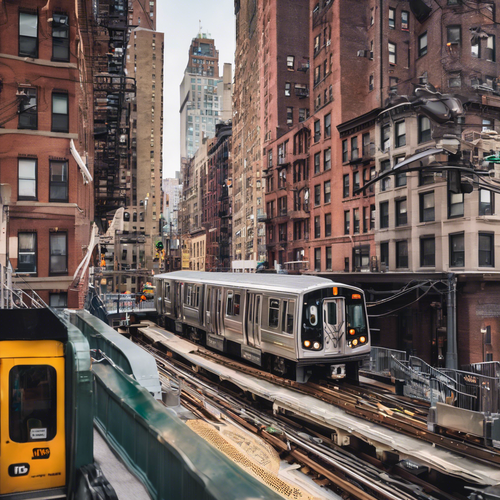
MTA Moves to Build Apartments Above Second Ave Subway Extension
In a groundbreaking initiative that could reshape New York City’s urban landscape, the Metropolitan Transportation Authority (MTA) is spearheading a project to construct residential apartments atop the long-awaited Second Avenue subway extension. 🚇 This ambitious plan not only promises to alleviate the city’s persistent housing crisis but also redefines the nexus of transportation and urban living. But can the MTA balance the demands of housing with the needs of a bustling metropolis?
The MTA’s decision to integrate residential units with critical transit infrastructure marks a pivotal shift in urban planning strategies. As the population of New York City continues to soar, coupled with the increase in congestion and limited housing availability, developing solutions that blend public transportation with community living becomes imperative.
Why Build Above Transit? The Case for Integrated Development
The idea of building housing above subway stations is not entirely new but has gained traction due to a recent push for more sustainable urban transit solutions. Here are several compelling reasons behind this strategy:
- Addressing the Housing Shortage: With over 800,000 residents on the city’s waiting list for affordable housing, this project aims to create over 1,000 units that can help lower-income families and individuals find more accessible housing options. 🏙️
- Revitalizing Neighborhoods: Integrating residential units above transit infrastructure has the potential to revitalize neighborhoods, attracting new residents and businesses while increasing foot traffic that benefits local economies.
- Reducing Commute Times: Building apartments near transit hubs minimizes reliance on cars, thus reducing overall commute times. For many, this convenience could mean the difference between spending precious hours in transit or enjoying leisure activities.
- Generating Revenue: The development is expected to generate significant revenue for the MTA, which is crucial for funding ongoing and future transportation projects. 💰
Challenges Ahead: Balancing Development with Community Needs
Despite the promising vision of urban synergy, the project faces a range of challenges. Community opposition, fluctuating construction costs, and regulatory hurdles pose substantial risks that could hinder development. 🏗️ Local advocacy groups express concern over potential gentrification and rising rents, fearing that the introduction of new developments could alienate current residents.
Moreover, there are logistical concerns regarding construction disruption. As the subway extension is still under development, careful planning is essential to avoid delays and ensure safety as builders work above and below ground.
“Integrating housing with subway extensions is essential for our future cities, but we must ensure that the existing community voices are heard and respected throughout the process,” notes urban planner Dr. Maya Lin. 🗣️
Current Status and Future Implications
The Second Avenue subway extension, often cited as one of the most significant public transit projects in recent history, continues to progress. Once completed, the project will stretch from the Upper East Side down to lower Manhattan, providing much-needed service to this historically underserved area.
As for the associated apartment development, the MTA has been in talks with various developers. Should the plans materialize as hoped, they could serve as a model for future projects across the city and beyond, fostering a broader trend of integrated transit-oriented developments that prioritize both accessibility and livability.
Conclusion: A Vision for the Future of Urban Living 🌆
The MTA’s initiative not only reimagines New York’s transit and housing landscape but also ignites conversations about urban growth strategies nationwide. As cities grapple with housing shortages, environmental concerns, and the need for efficient transportation systems, the dual-purpose development could set a precedent for how urban areas evolve in sync with their residents’ needs.
As the project unfolds, it promises to represent a bold step towards a future where public transit and community living are seamlessly intertwined. With the potential to reshape the urban experience fundamentally, the eyes of the nation will be watching whether this innovative endeavor succeeds. 🌟



Why not turn subway stations into mini cities? Imagine living above your commute! Would you trade convenience for noise? 🏙🚇
Can you imagine living above a subway station? Its like having a built-in commute! Would you be down for that kind of urban living?
Im all for innovation, but building apartments on top of subway stations? Sounds like a disaster waiting to happen. Safety first, people!
Why not turn every subway ride into a chance to scope out your dream apartment? Integrated living, or just a train wreck waiting to happen?
Im all for innovation, but building apartments above a subway? Seems risky. What if theres a leak or a disturbance? 🤔
Do you think living above a subway station is cool or weird? Im curious about the pros and cons! 🤔🚇🏙️
Wow, imagine living above the subway! Would you feel like a superhero with a secret lair or just annoyed by the noise? 🏙🚇
MTAs bold move to build apartments above subway sounds cool, but will it truly benefit the community or just add congestion?
Why not combine living space with transit? Great idea or potential disaster? Lets discuss over brunch! 🏙🚇 #UrbanLivingDebate
MTAs Apartment Transit Project sounds cool, but will it actually benefit the community or just add more congestion?