Innovative Office Spaces: A Creative Response Amid Development Lags
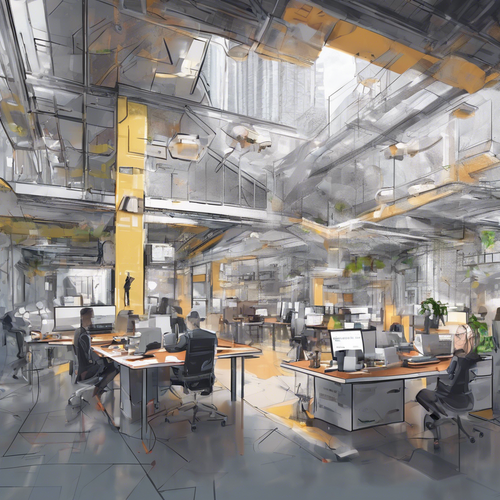
In a world where the commercial real estate market is growing stagnant, a vibrant new trend is emerging in the design and construction of creative office spaces. In cities grappling with slow development pipelines, innovative work environments are not merely a necessity; they represent a bold response to the shifting landscape of work culture, post-pandemic realities, and urban revitalization. 🌆
According to a recent report by JLL, a major real estate services firm, flexible workspaces are on the rise, with demand for coworking and shared spaces increasing by over 20% in key metropolitan areas this year. These office designs are breaking away from traditional confines, fostering community and collaboration while enhancing employee well-being and creativity.
**Creative Spaces: More Than Just a Trend**
The rise of creative office spaces signifies a departure from conventional office models. As businesses adapt to hybrid work formats, real estate developers are responding by curating environments that prioritize both functionality and inspiration. Many new office designs feature open layouts, vibrant aesthetics, and facilities that encourage social interaction and innovation.
- Adaptive Reuse: Old warehouses and factories are being transformed into energetic workspace hubs, preserving history while infusing modern amenities. This trend not only supports sustainability but also honors the unique character of urban landscapes. 🏭
- Nature-Inspired Design: Incorporating greenery, natural light, and open spaces into office environments has proven to boost morale and productivity. Studies indicate that workers in biophilic designs report a 15% increase in well-being and creativity. 🌿
- Integrated Technology: Smart offices equipped with advanced technology—such as IoT devices that optimize energy use or virtual reality meeting spaces—are becoming more common, increasing operational efficiency and enhancing user experience.
“The office of the future isn’t just a place to work; it’s a community space designed to foster collaboration and innovation,” remarks Rebecca Martinez, a leading architect specializing in commercial developments. “It’s about creating environments where employees feel energized and connected.” 📈
**Market Insights: Navigating Ambiguities**
But amid these trends, the commercial real estate market still faces challenges. The prolonged effects of the COVID-19 pandemic have led to uncertainties in leasing rates and occupancy levels. Recent data from CBRE reveals that vacancy rates in prime office real estate are hovering around 15% in major cities, adding pressure for landlords and developers alike.
However, the slow development pipeline is forcing stakeholders to innovate. Developers are reassessing their strategies, focusing on quality over quantity by offering multifunctional spaces that adapt to diverse needs.
**Local Governments and Community Initiatives**
To further stimulate this creative office wave, local governments are stepping in. Initiatives aimed at revitalizing underutilized areas, such as tax incentives for developers and investments in infrastructure, are spurring growth:
- Public-Private Partnerships: Collaborations between government and private sectors are facilitating the transformation of neglected districts into thriving office ecosystems.
- Support for Startups: Cities are encouraging the growth of startup incubators within creative office spaces, fostering innovation hubs that attract young talent.
Real estate stakeholders are increasingly recognizing that these creative office environments can serve as linchpins for attracting new businesses and rejuvenating neighborhoods. They are pivoting their focus toward creating spaces that are flexible enough to accommodate various sectors, from tech giants to local artisans.
**The Future of Work**
Ultimately, the evolution of creative office spaces reflects a broader cultural shift in how we conceive work. As more companies adopt hybrid work models, the role of the office is transforming from just a place of productivity to a venue for collaboration and community building.
The slow development pipeline has inadvertently catalyzed this innovation; developers, architects, and city planners are now prioritizing creativity and flexibility in office design. As a result, the future of work may not only reside in fostering productivity but also in crafting environments where creativity can flourish. 🚀
As cities embrace these novel office concepts, the landscape of work is evolving into a dynamic tapestry of collaboration, sustainability, and ingenuity. The question remains not whether the traditional office will return, but rather how these creative approaches will shape the workplaces of tomorrow. 🏙️



Im not convinced AI will truly revolutionize urban workspaces. Lets not forget the human touch and creativity! What do you think?
I dont buy into the hype of AI in urban workspaces. Lets focus on human creativity over tech trends. Thoughts?
Im not convinced AI integration is the key to revolutionizing urban workspaces. What about human creativity and connection? Lets discuss!
I think the AI integration in urban workspaces is cool, but are we losing the human touch? Creative spaces must balance tech and humanity!
Im not sold on the idea of AI taking over urban workspaces. Are we sacrificing human creativity for efficiency? Lets discuss!