
After the Office Boom: Miami-Dade Construction Starts Drop to Nine-Year Low
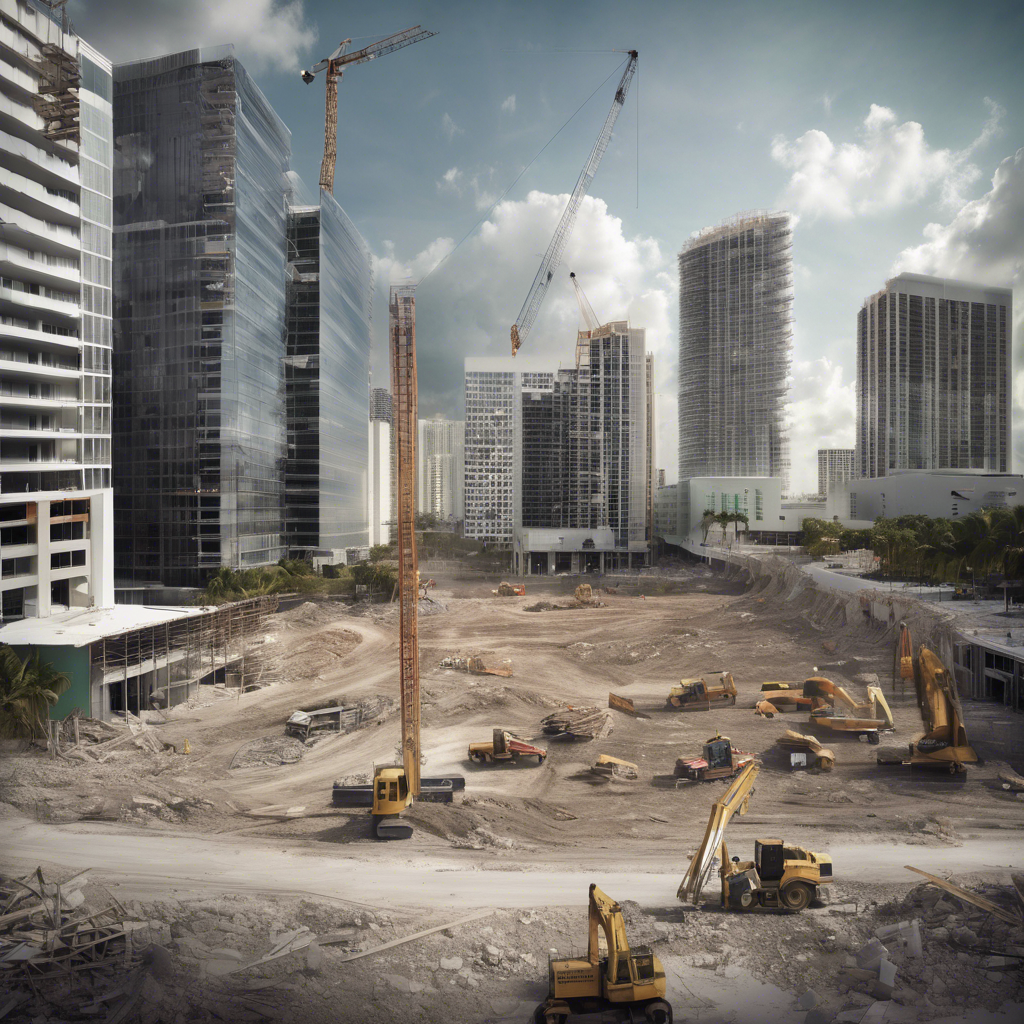
The vibrant skyline of Miami, once a symbol of explosive growth and ambitious projects, now faces a stark reality: construction starts in Miami-Dade have plummeted to a nine-year low. This trend, emerging from an over-saturated office market and rising economic concerns, signals a profound shift in the urban landscape and poses significant implications for the region’s real estate sector. 🏗️
After several years of booming construction fueled by a strong demand for office spaces, the narrative is changing. According to recent data from the Miami-Dade County Department of Regulatory and Economic Resources, new construction starts fell by over 20% compared to last year, pointing to a substantial downturn. Analysts attribute this decline to a combination of economic uncertainties, shifting market demands, and the steep costs associated with developing new projects.
The Factors Driving the Decline
Several interrelated factors contribute to the current slump:
- Post-Pandemic Office Space Overcapacity: The surge in remote work has fundamentally altered the demand for traditional office spaces. Companies are re-evaluating their real estate needs, with many foregoing extensive office leases in favor of flexible work arrangements. This shift has led to an overabundance of available office space, making new projects less appealing. 💼
- Rising Construction Costs: Increased prices for materials and labor, compounded by supply chain disruptions, have led developers to revisit their financial projections. With higher costs, many projects simply “don’t pencil out,” making it difficult for developers to justify new investments.
- Puerto Ricans Entering the Market: The influx of Puerto Ricans relocating to Florida has sparked a housing demand. While this may strengthen the residential sector, it forces commercial developments to take a backseat, as investors prioritize more lucrative residential projects over office spaces.
- Interest Rate Increases: The Federal Reserve’s interest rate hikes aimed at controlling inflation have made borrowing more expensive, which further discourages new construction as developers face higher financing costs. 📈
Economic Uncertainties and Market Adjustments
The construction decline is indicative of broader economic uncertainties. Investors and developers are increasingly cautious, preferring to hold off on new projects as they wait for signs of economic stabilization. The unpredictable housing market, coupled with fears of a potential recession, make committing to new constructions riskier than ever. 📊
“The construction industry thrives on confidence, and right now, that confidence is waning,” notes John Lopez, a Miami-based real estate analyst. “Developers are naturally hesitant to pursue projects when the economic landscape is so volatile.”
Impact on the Local Economy and Future Outlook
As construction starts decline, the ripple effects are being felt throughout Miami-Dade’s economy. Job losses in construction-related sectors, decreased demand for construction materials, and a slowdown in supporting industries, such as architecture and engineering, raise serious concerns. 💔
Despite these challenges, there are signs of adaptation in the market. Some developers pivot toward mixed-use developments, focusing on integrating residential units with retail and office spaces to attract more residents and create vibrant communities. This shift aims to address both the demand for housing and the oversupply of office space, providing a potential pathway out of the current downturn.
What Lies Ahead for Miami-Dade’s Construction Landscape?
While the current trajectory points to a challenging period for construction in Miami-Dade, the adaptability of developers and changes in consumer preferences may offer glimmers of hope. Industry experts are advocating for a focus on sustainable and affordable housing, harnessing technology in construction, and embracing flexible space designs that meet the evolving needs of businesses and residents alike. 🌱
In conclusion, as Miami-Dade grapples with its construction slump, the evolution of the real estate market highlights an important lesson: flexibility and foresight will be crucial as we transition into a new era of urban development. The rebirth of Miami’s skyline may depend on how well the region can respond to these unprecedented challenges.





Does this mean cheaper rent for us soon? Time to start looking for a new place in Miami! 🏠💰
This construction crisis in Miami is no joke – are we in for a bumpy ride or is there a silver lining ahead?
I dont buy it, Miamis construction crisis is just a temporary setback. The market will bounce back stronger than ever!
I wonder if this construction slowdown in Miami will lead to more affordable housing options or just more empty lots. Thoughts?
I wonder if this means rent prices will drop in Miami. Could be a good time for renters! 🤔🌴🏠
I believe the construction slowdown in Miami is a wake-up call for the real estate market. What do you think caused this shift?
I dont buy it – Miamis construction slump is just a hiccup. Lets ride out the wave and see what happens next! 🌊🏗️
I believe the construction slowdown in Miami is a sign of a changing real estate market. Exciting times ahead!
Who knew Miamis construction industry was taking a hit? Lets discuss the real estate shift and its impact on the local economy.
Wow, Miamis construction scene is really taking a hit. Wonder how this will impact the citys vibe and economy moving forward.