
Cocoon Advances with 121-Unit Apartment Building in South Bay
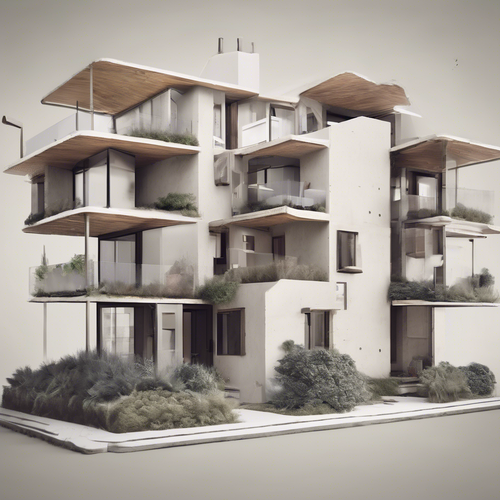
As the South Bay region of California grapples with a housing crisis that has left many struggling to find affordable accommodations, Cocoon, a rapidly growing residential developer, is stepping up to meet this challenge head-on. The company has announced plans for a striking new 121-unit apartment building that promises to redefine urban living in this vibrant coastal community. This ambitious project, featuring modern design principles and sustainable practices, aims not only to provide much-needed housing but also to foster a sense of community vitality. 🌇
The Growing Demand for Housing
In the shadow of rising home prices and increasing rental costs, South Bay faces an unprecedented demand for affordable housing. According to recent data, the median rental price for a two-bedroom apartment in the area now exceeds $3,000, leaving many families priced out of their communities. Nationally, nearly 40 million Americans spend more than 30% of their income on housing, a threshold the U.S. Department of Housing and Urban Development considers a sign of ‘cost-burdened’ households. 🏘️
A Vision of Sustainable Living
Cocoon’s new development aims to offer a solution through thoughtful design and sustainable construction practices. The project will incorporate cutting-edge technologies such as solar energy, energy-efficient appliances, and advanced water conservation systems. By prioritizing sustainability, Cocoon hopes to appeal to environmentally conscious residents while reducing overall utility costs for occupants.
“Building for the future involves more than just putting up walls; it’s about creating spaces that enhance community life and respect our planet,” said Emma Robinson, COO of Cocoon. “We’re dedicated to delivering not just homes but a lifestyle that promotes well-being.” 🌱
Architectural Innovations
Designed by an award-winning firm known for its urban residential projects, the architecture of the new apartment complex will feature open-concept layouts, private balconies, and communal green spaces. This design ethos not only addresses the practical needs of residents but also fosters connections among neighbors. Residents will have access to amenities such as a rooftop garden, fitness center, and co-working spaces that encourage collaborative living and working environments. 🏋️♂️
Community Engagement Efforts
Cocoon recognizes that a successful development is one that integrates smoothly into the existing neighborhood fabric. The company has committed to engaging with local community groups and stakeholders throughout the planning process. This includes addressing concerns related to traffic, environmental impact, and ensuring that the new residents enhance rather than disrupt the surrounding area.
Local community meetings invite feedback and foster dialogue from the voices that matter most—the future residents themselves. The aim is to co-create a living space that exemplifies inclusivity and cohesion. 🤝
The Timeline Ahead
Proudly, Cocoon anticipates breaking ground by mid-2024, with an expected completion date set for early 2026. The timeline reflects a commitment to quality construction without compromising innovation. With a growing urgency to address California’s critical housing shortage, every unit in this new building represents a step toward alleviating the crisis and providing a safe and affordable home for those in need.
Conclusion
The stakes could not be higher for the South Bay community, as Cocoon’s forthcoming 121-unit apartment building promises to deliver not just housing, but a cornerstone of sustainable, community-focused living. As we watch the horizon of this vibrant region evolve, one thing becomes clear—the future of urban living is not only about places to live but also about spaces to thrive. 🌟




I think its great that Cocoon is pushing the boundaries with sustainable living and architectural innovations in the South Bay. Exciting times ahead!
Im not sold on the whole housing revolution hype. Sustainable living is great, but is this really the answer to the growing demand for housing?
Im not convinced that all these housing innovations are necessary. Maybe we should focus on affordability instead. Just a thought!
Is this the future of housing or just another trendy development? Im curious to see how it holds up in the long run.