
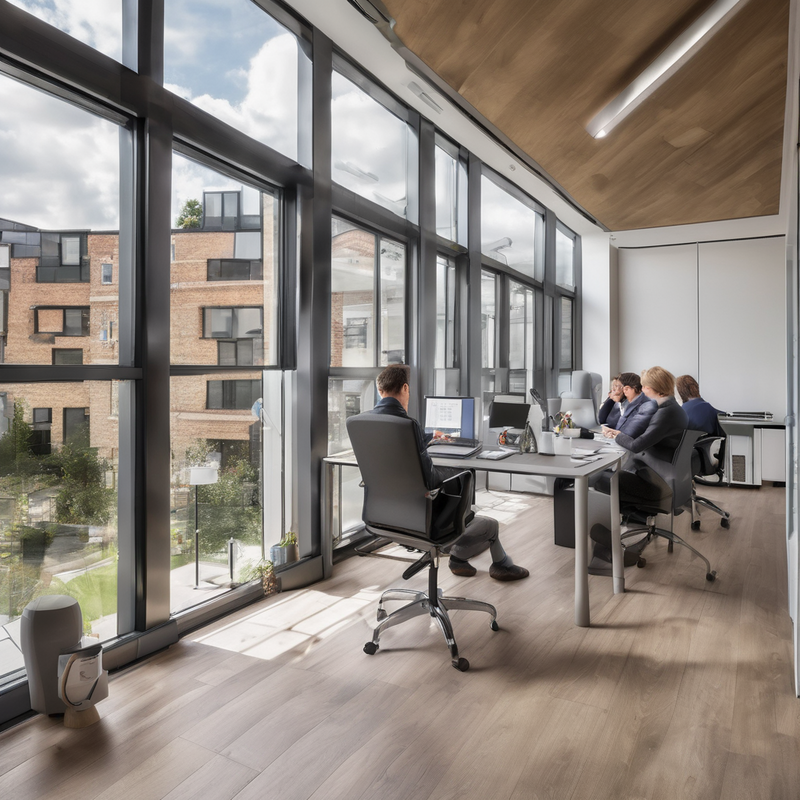
The Good, Bad and Ugly of Converting Office Buildings to Residential 🏢➡️🏠
As cities evolve, they face a peculiar fate: abandoned office buildings, once heralded as beacons of productivity, now languish in desolation, standing like skeletal remnants of a bygone era. In the wake of remote work and shifting economic tides, the transformation of these structures into residential spaces has become both a tantalizing opportunity and a daunting challenge. But is this metamorphosis a remedy for housing shortages or merely a band-aid on a bullet wound? 🤔
The Silver Lining: Benefits of Conversion
The allure of converting office buildings into residential units is undeniably enticing. With urban housing shortages spiraling like an uncoiled spring, these conversions offer a potential solution—much like a phoenix rising from the ashes of the corporate world. Indeed, the advantages can be as enticing as they are varied:
- Utilizing Existing Infrastructure: The cost of urban development often rivals the price of sending a spaceship to Mars. Converting existing buildings means lowercase eco-initiatives, less demolition waste, and the preservation of resources already invested in these structures. 🏗️
- Expanding Housing Opportunities: With the number of available housing units in urban areas shrinking faster than a magician’s disappearing act, these conversions can help bridge the gap between demand and supply. New residents can unlock the treasures of city living while breathing fresh life into previously stagnant neighborhoods. 🌆
- Boosting Local Economies: Residents are the Gandalf to local businesses—bringing life to the market. Increasing population density through residential conversions can bolster retail sales, stimulate urban renewal, and revitalizing local culture.
The Shadows: Challenges to Overcome
Yet, as with any transformative process, the shadows loom large. The journey of conversion is fraught with hurdles that can turn an investor’s dream into a nightmare quicker than you can say “zoning regulations.” The need for architectural upgrades, compliance with building codes, and, let’s not forget, the perception that these former office spaces might not make the most inviting homes. 😟
- Costs to Convert: Just because buildings exist doesn’t mean they’re ready for cozy living. Renovations can be expensive, with outdated mechanical systems, inadequate plumbing, and structural adjustments potentially costing more than building from scratch. 💰
- Building Codes and Zoning Laws: Navigating the bureaucratic waters can often resemble a medieval quest through a labyrinth of red tape. Changing the use of a building usually demands navigating a morass of permits and inspections.
- Market Viability: Location, location, location! An office building might not automatically qualify as a prime living space, turning into a challenging sell in areas lacking amenities and transport links.
The Grey Area: Mixed Results
Then we reach the murky depths—the grey area where the conversion promises the most but delivers disappointing results. It’s akin to a first date where both parties hoped for fireworks but ended with awkward small talk and cringeworthy silences. While some projects are shining beacons of success, others fall woefully short of their intended goals.
For instance, consider the case of a vibrant downtown office conversion into trendy loft-style apartments. Initially, the buzz was palpable; the expectations high. Yet, once the novelty faded, many found themselves trapped in a space that lacked sufficient natural light, cramped layouts reminiscent of sardine cans, and limited communal amenities. 😬
Lessons from The Good, The Bad, and The Ugly
Ultimately, the process of transforming office buildings into residential havens is a multifaceted endeavor worthy of applause and critique in equal measure. The key lies in striking a balance—ensuring that the approach is as thoughtful as it is ambitious. Successful conversions often embrace unique and creative architectural solutions tailored to the building’s past while casting a bright vision for its future.
So, as cities continue to grapple with economic shifts and changing social patterns, one must wonder: will these approaches lead to thriving communities that blend the best of urban living with sustainable growth, or will they simply become cautionary tales of potential squandered? 🌍
One thing is certain; the journey of transforming the forsaken into the beloved is a testament to urban resilience—the ability to toe the line between opportunity and challenge, weaving together the old and the new in an ever-evolving tapestry of city life.



I dont know about you, but I think office buildings turned into homes could be the next big trend or a total flop. What do you think?
Im all for the office-to-home trend, but what about the noise? Can you imagine living next to a noisy conference room? 🙉
Get some noise-canceling headphones and chill. Its not that deep. 🎧😎
Hmm, I wonder if converting offices to homes could lead to more community vibes or just traffic chaos? What do you think? 🤔
I disagree with the notion that converting offices to homes is always a good idea. It can disrupt neighborhoods and worsen traffic.
Converting offices to homes sounds cool, but what about the commute? Lets discuss the real deal behind this transformation. 🏢🚗➡️🏠
I disagree with the idea of converting offices to homes. Offices serve a different purpose and should remain as they are.
I think turning offices into homes is like playing architectural Tetris – challenging, but can lead to some unique living spaces!
I dont buy the hype on office to home conversions. Lets keep work and living separate for a reason!